
Annuals
Shrubs & Trees
Perennials

Annuals are plants that only live for a short time, usually a season. Here is a list of our favorite annuals and their FAQs
Annuals usually come packaged in a pony pack or six pack of flowers. Herbs and vegetables are included in this category
Perennials
Shrubs & Trees
Perennials
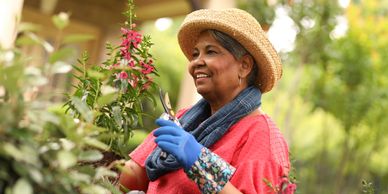
Perennial plants are usually categorized as full sun, part sun, or shade loving plants and flowers that come back year after year.
Perennials usually are sold in a one gallon container and their life span can vary from 3-7 plus years.
Shrubs & Trees
Shrubs & Trees
Shrubs & Trees

Shrubs and Trees can be put into these categories:
- Fast Growing / Privacy
- Single trunk / Multi trunk
- Seasonal (usually fruit/nut)
- Conifers (Christmas type trees)
- Deciduous (loses leaves in winter)
- Evergreen (stays green in winter)
Groundcovers
Plant Identification
Shrubs & Trees

Groundcovers are plants or herbs that creep along the ground often rooting with the runners they grow. Most groundcovers in the Northern Arizona area prefer part shade environments to flourish.
Herbs such as creeping thyme also attract pollinators and smell good too!
Plant Identification
Plant Identification
Plant Identification

Plant identification is the easiest way to learn about your plant and its care needs.
We recommend Picture This, available on the App Store.
Indoor Plants
Plant Identification
Plant Identification

Today, there are over 10,000 species of houseplants available commercially. It's remarkable just how many plants we now have available for house use. Please visit us at Sedona Water Works in West Sedona, AZ
Bulb and Seed Information Links

Winter Container Bulb Planting: A Guide
"Spring-blooming bulbs need to undergo the cold of winter to bloom." Kidd says. After layering these bulbs in the fall, our experts recommend keeping them outdoors in a space protected from extreme winter weather. "A covered porch or greenhouse is ideal," Kidd says. "Check the moisture of the soil every couple of weeks and water if it is dry." To prevent mice, squirrels, or other visitors from digging up your bulbs while they are overwintering, Bradley recommends covering the top of the container with wire mesh.
Resource: How to Layer Bulbs in Containers for Continuous Blooms All Spring, Martha Stewart Online.
When Can I Start Planting?
When you’re trying to narrow down planting dates and decide what you should put in your garden, start with a plant hardiness zone finder. Then check your frost dates. These are two critical factors that can make all the difference in your vegetable garden.
Unless you decide to start an indoor garden, where you live will determine your growing season. Generally, you’ll want to wait until the last frost before planting your seeds. Otherwise, cooler soil temperature could adversely affect germination.
If you live in a region with a shorter growing season, you can always start your seeds indoors and then transplant them once it’s warm enough.
Psst: Look on the back of your seed packets for a wealth of gardening information. Everything from spacing to sunlight requirements is right on the packaging.
Resource: Back to the Roots Blog Post